
Auto Feeders
Auto Feeders
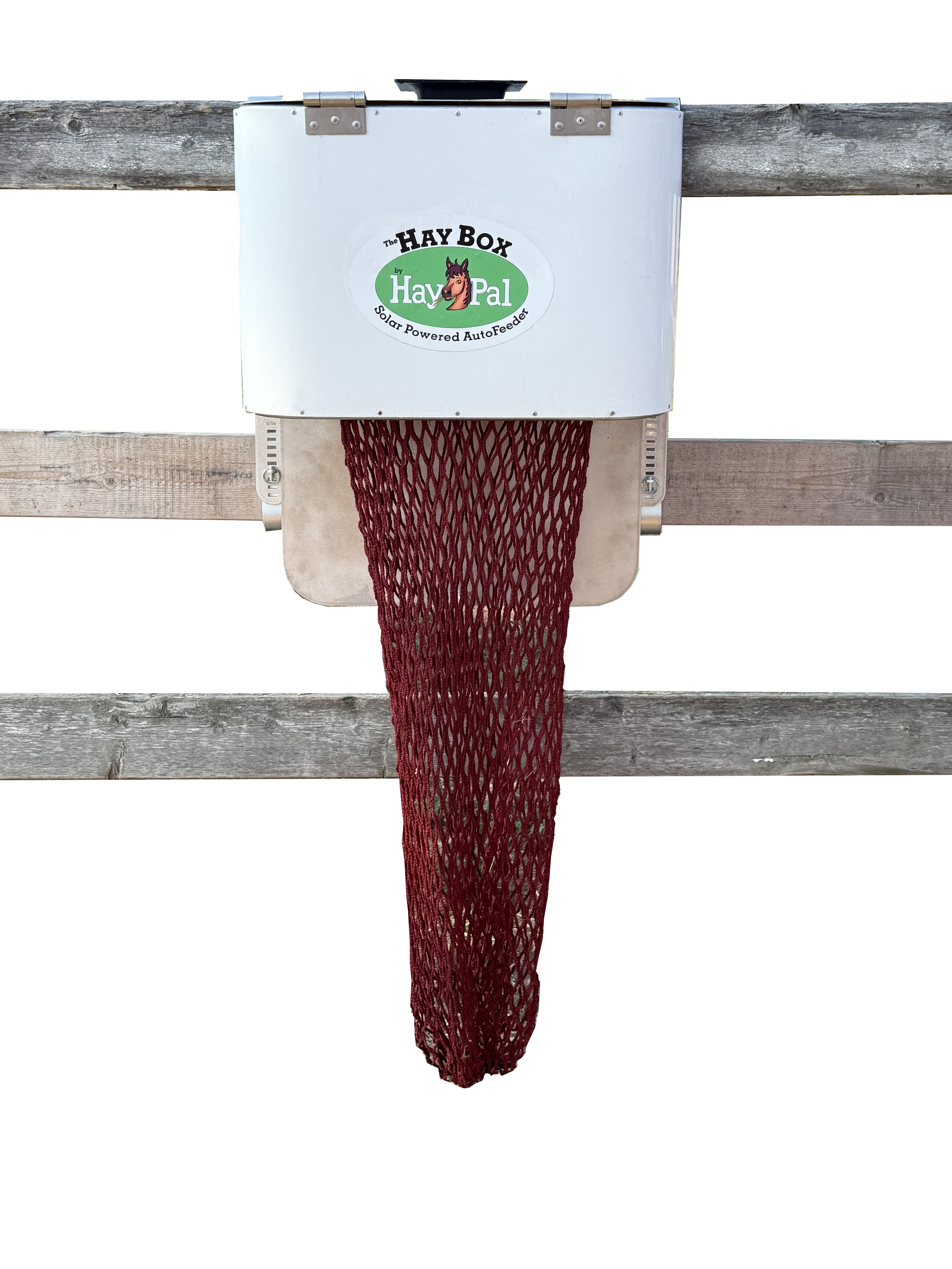
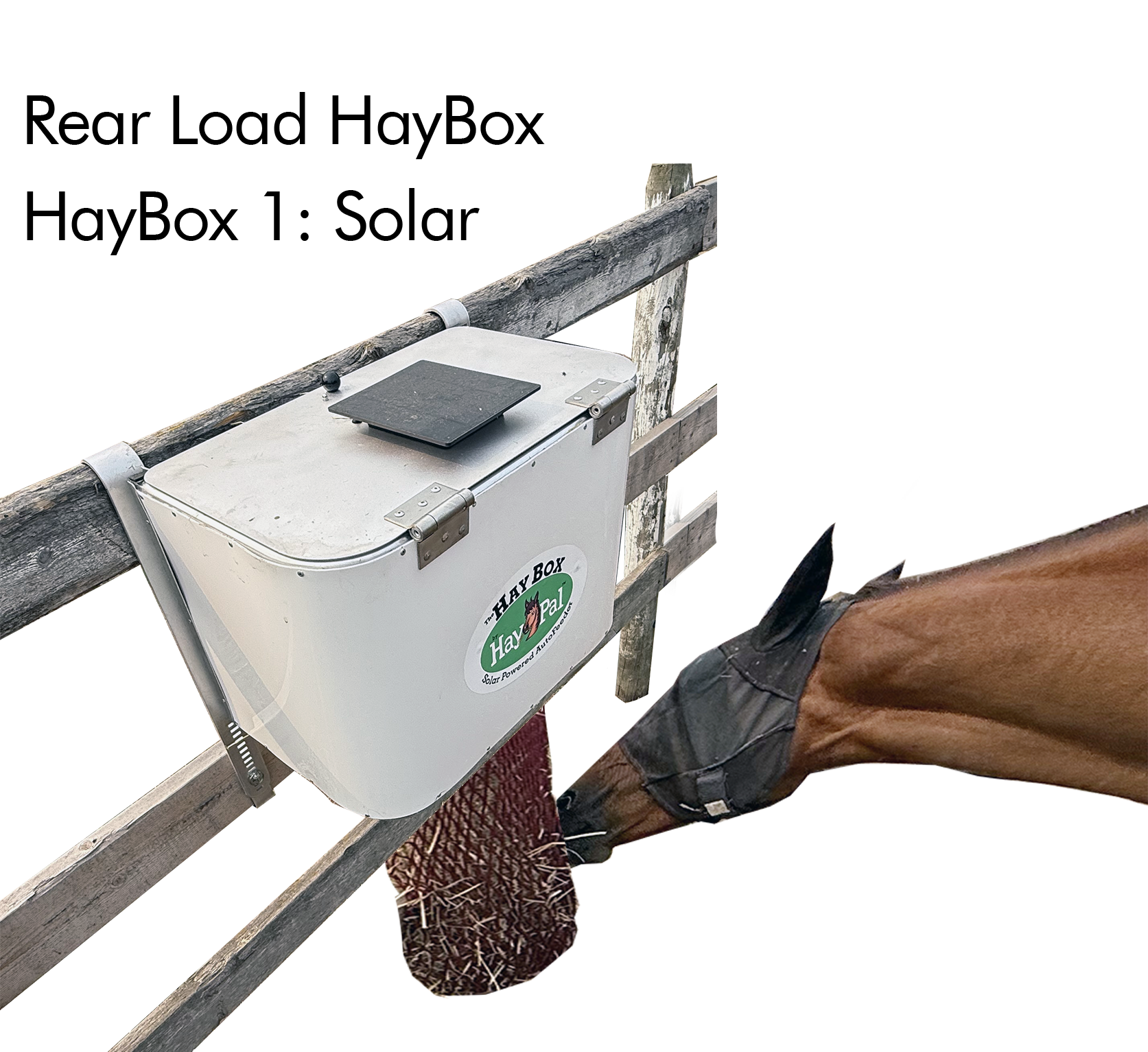
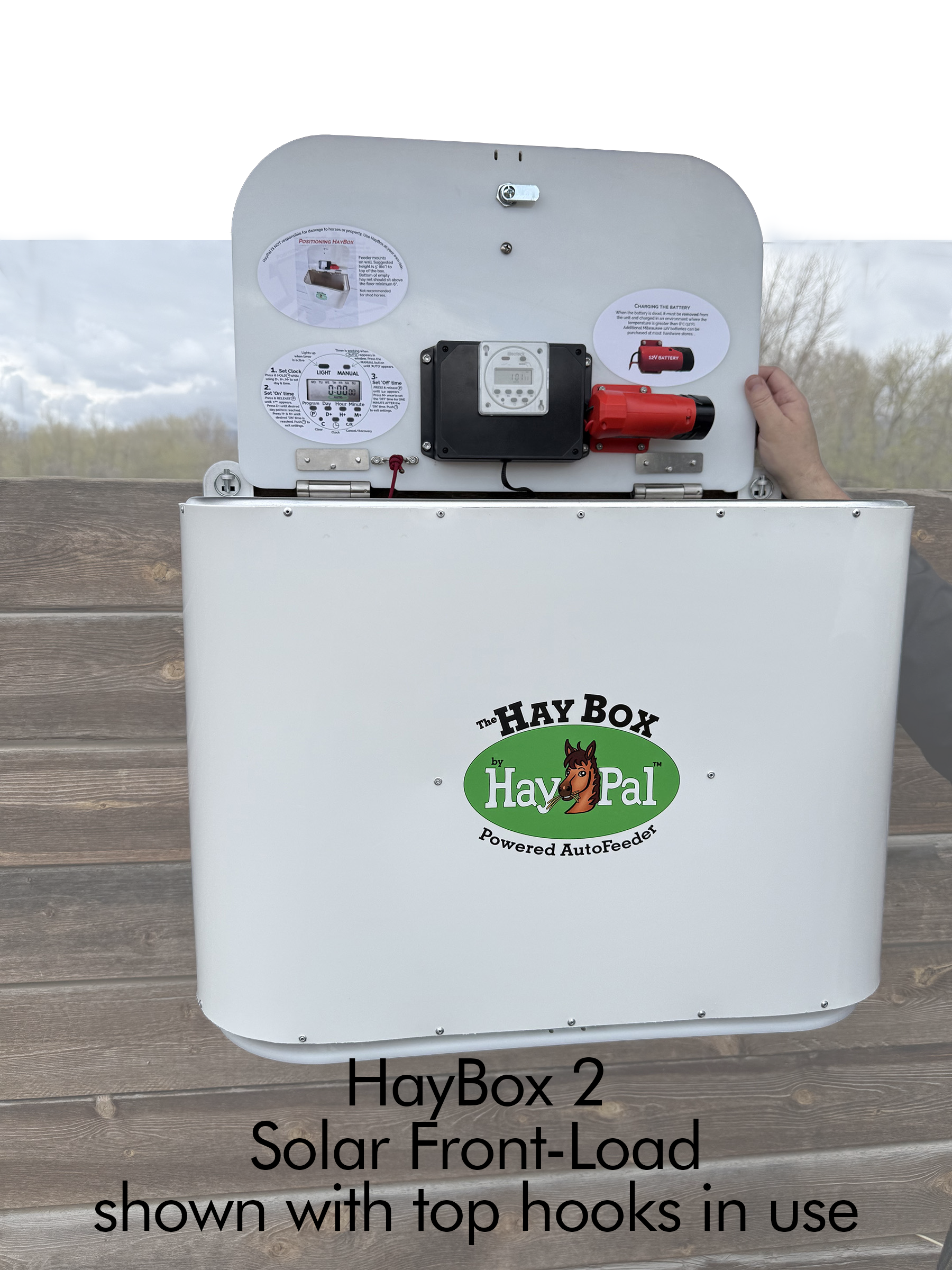
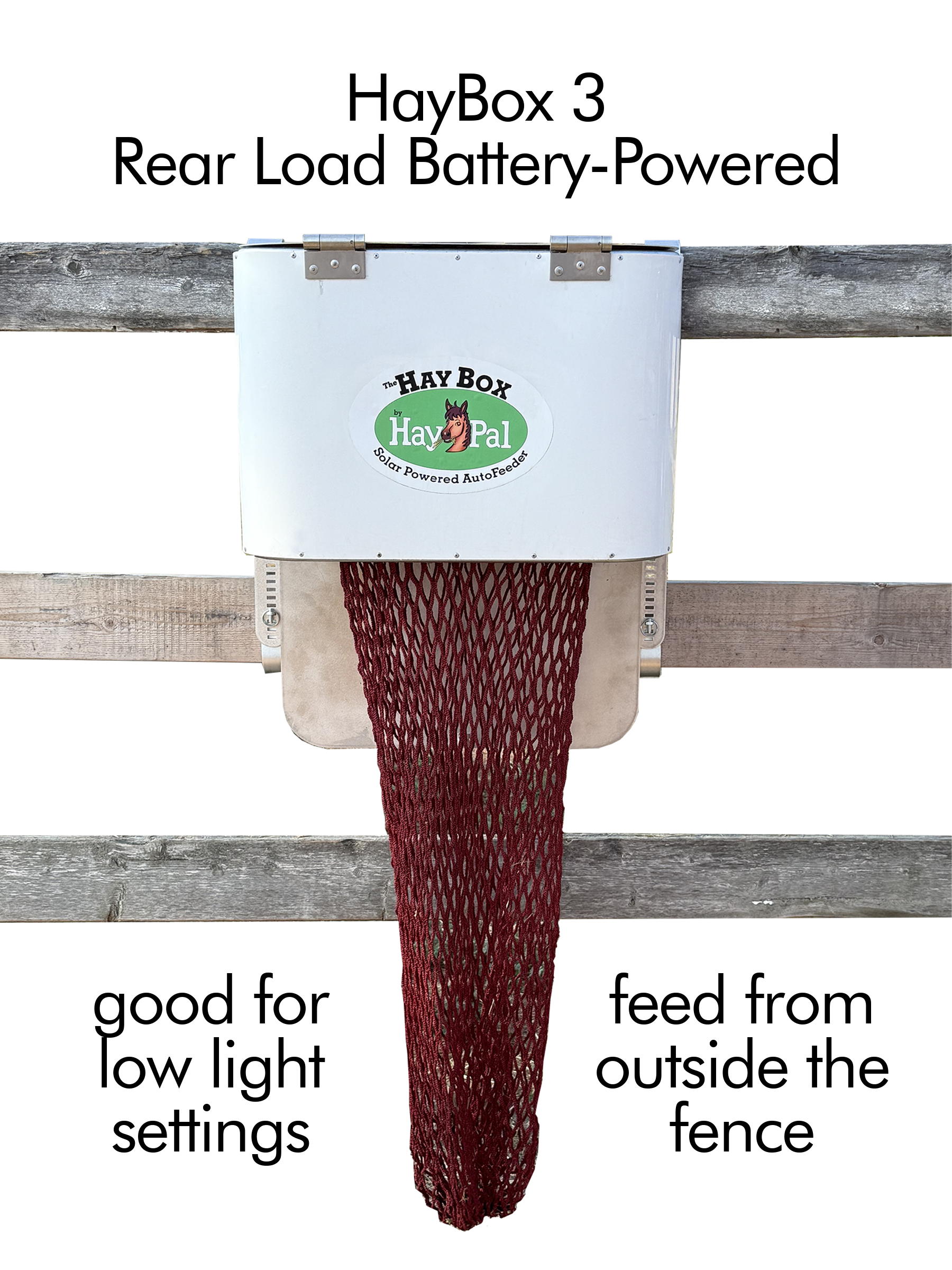
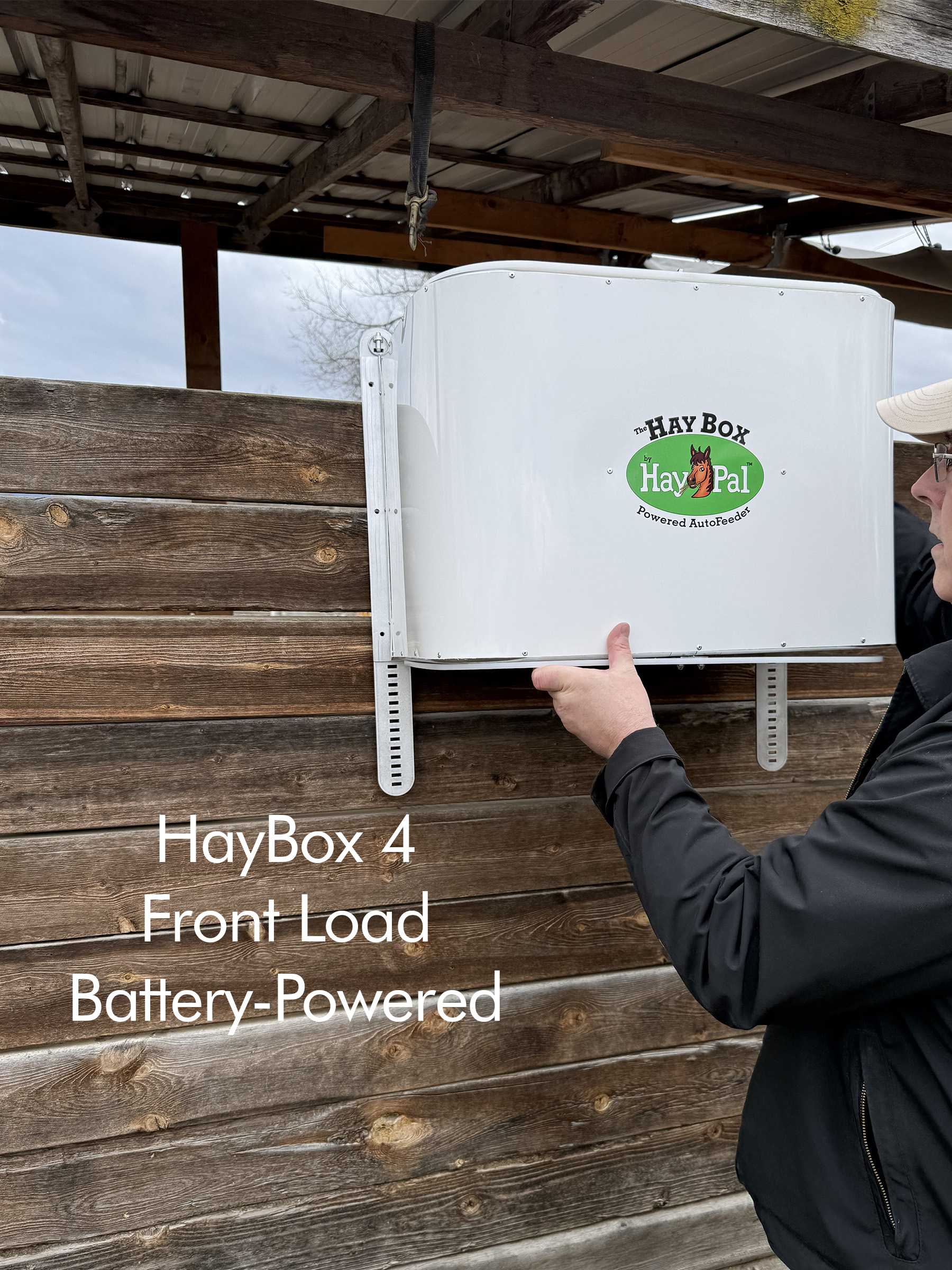
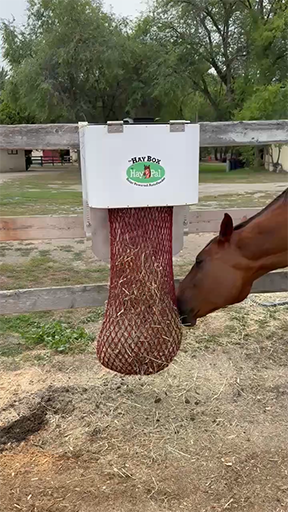
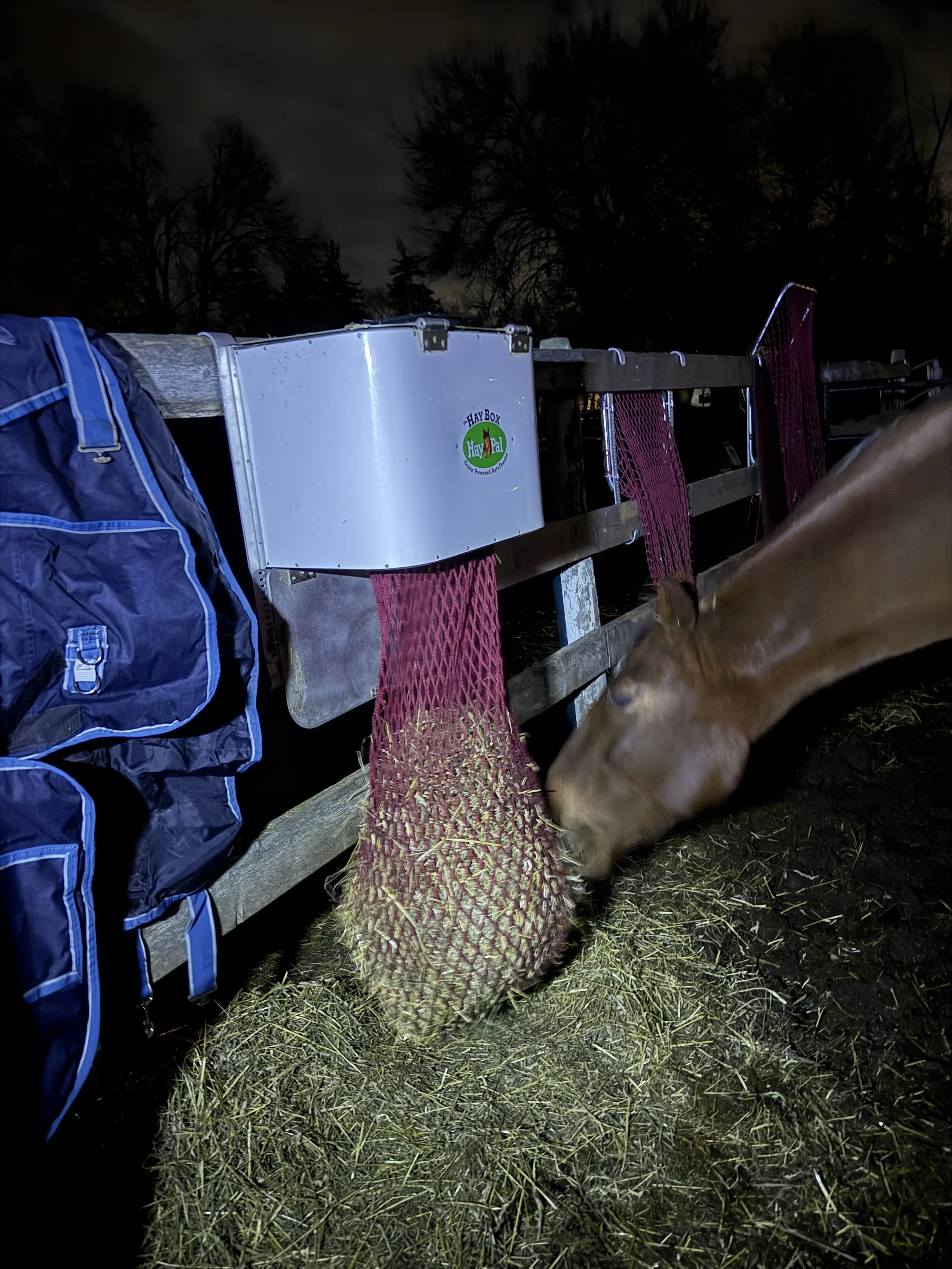
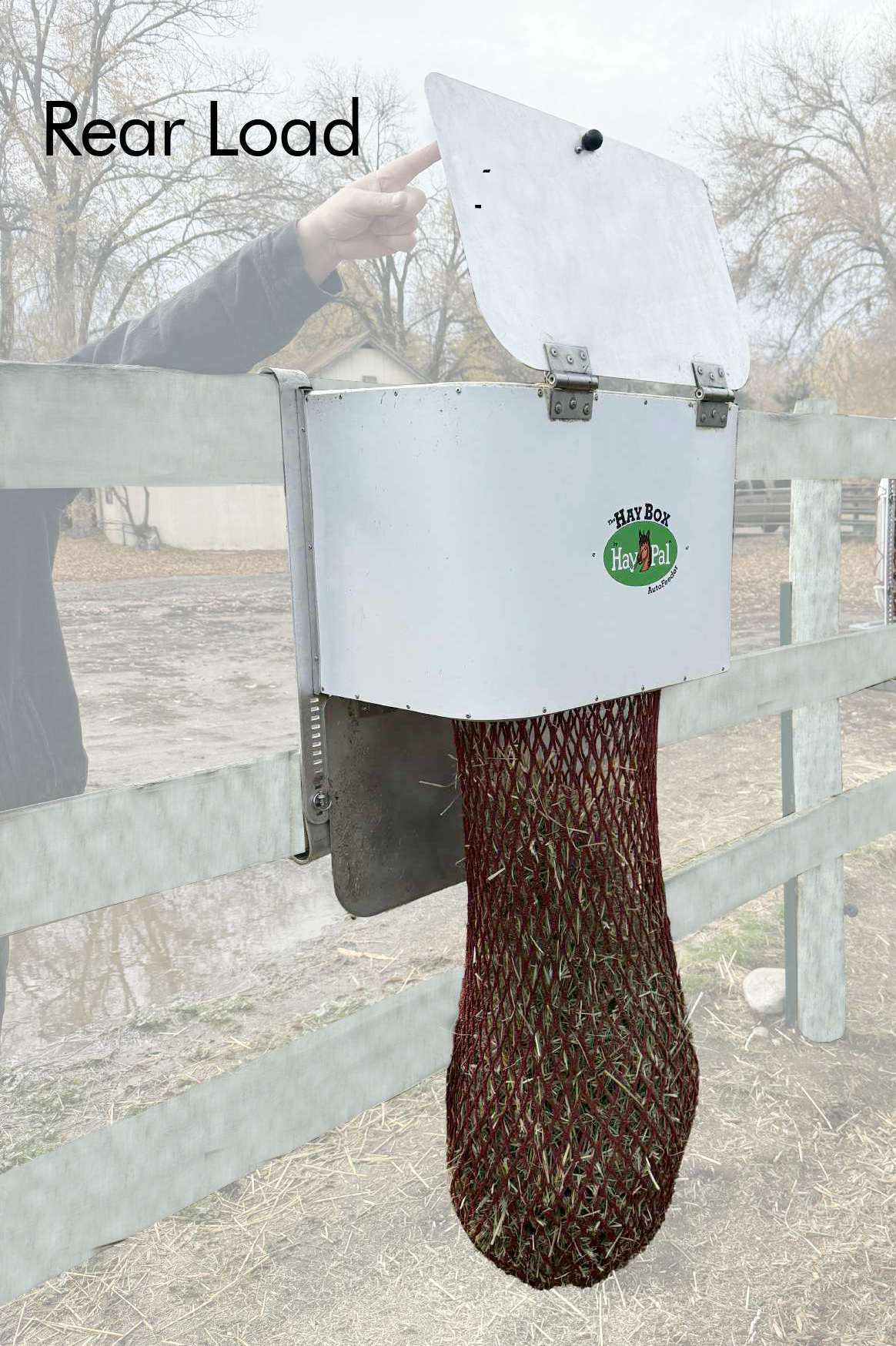
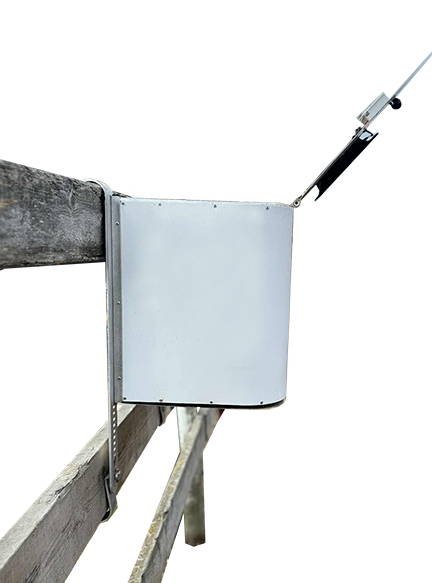
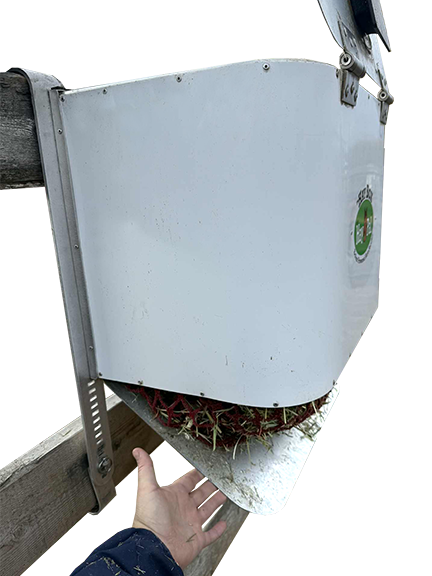
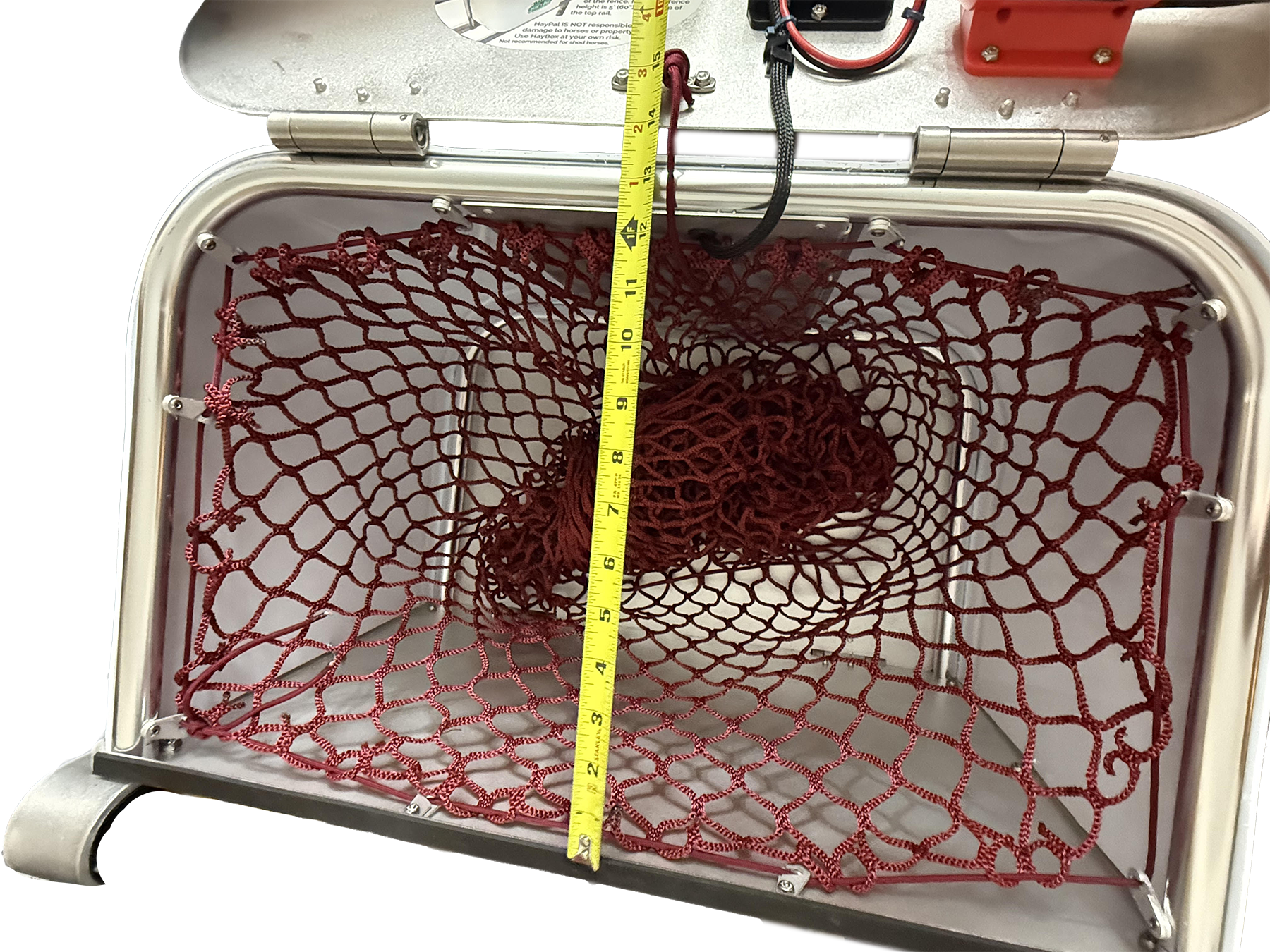
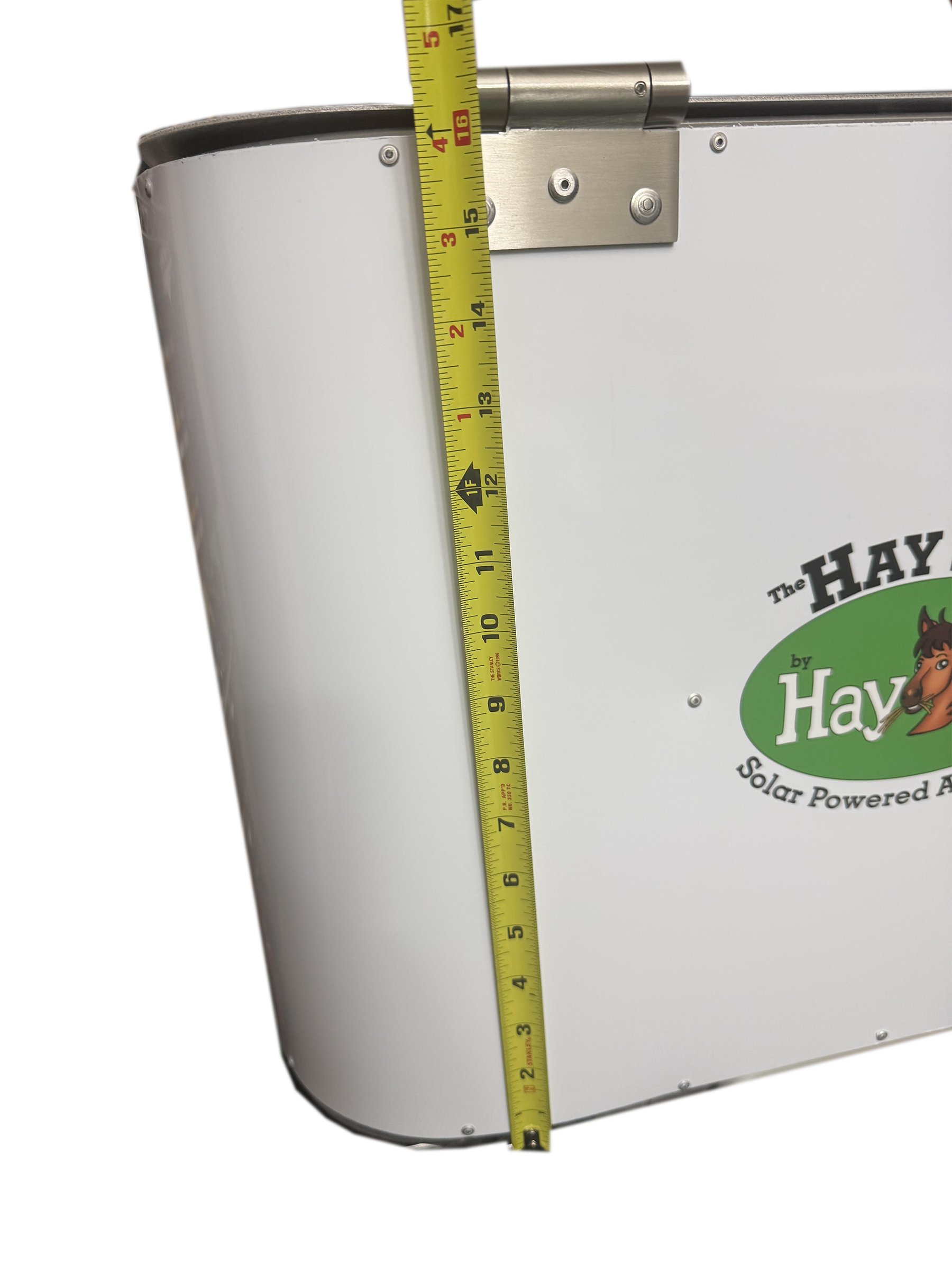
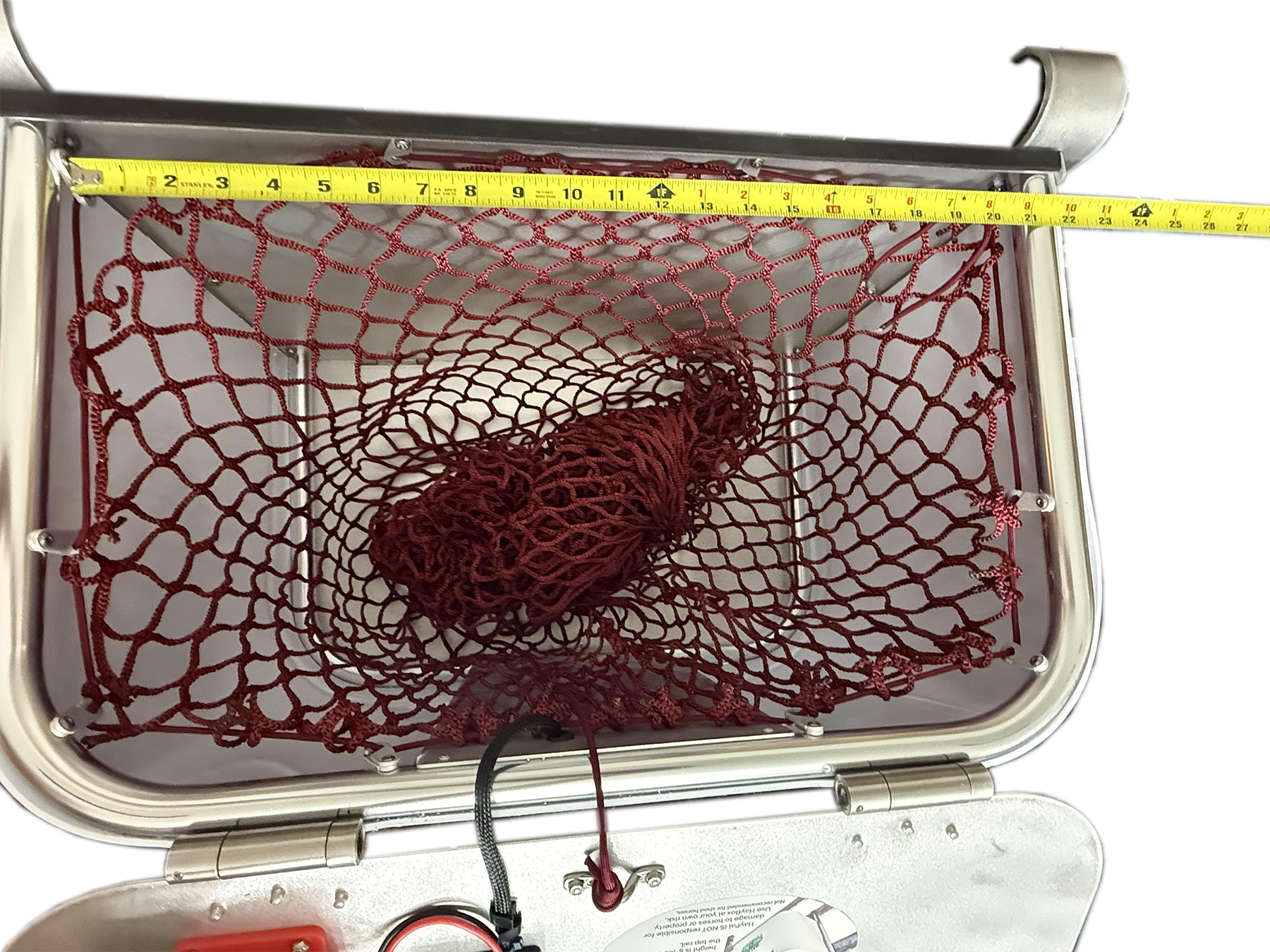
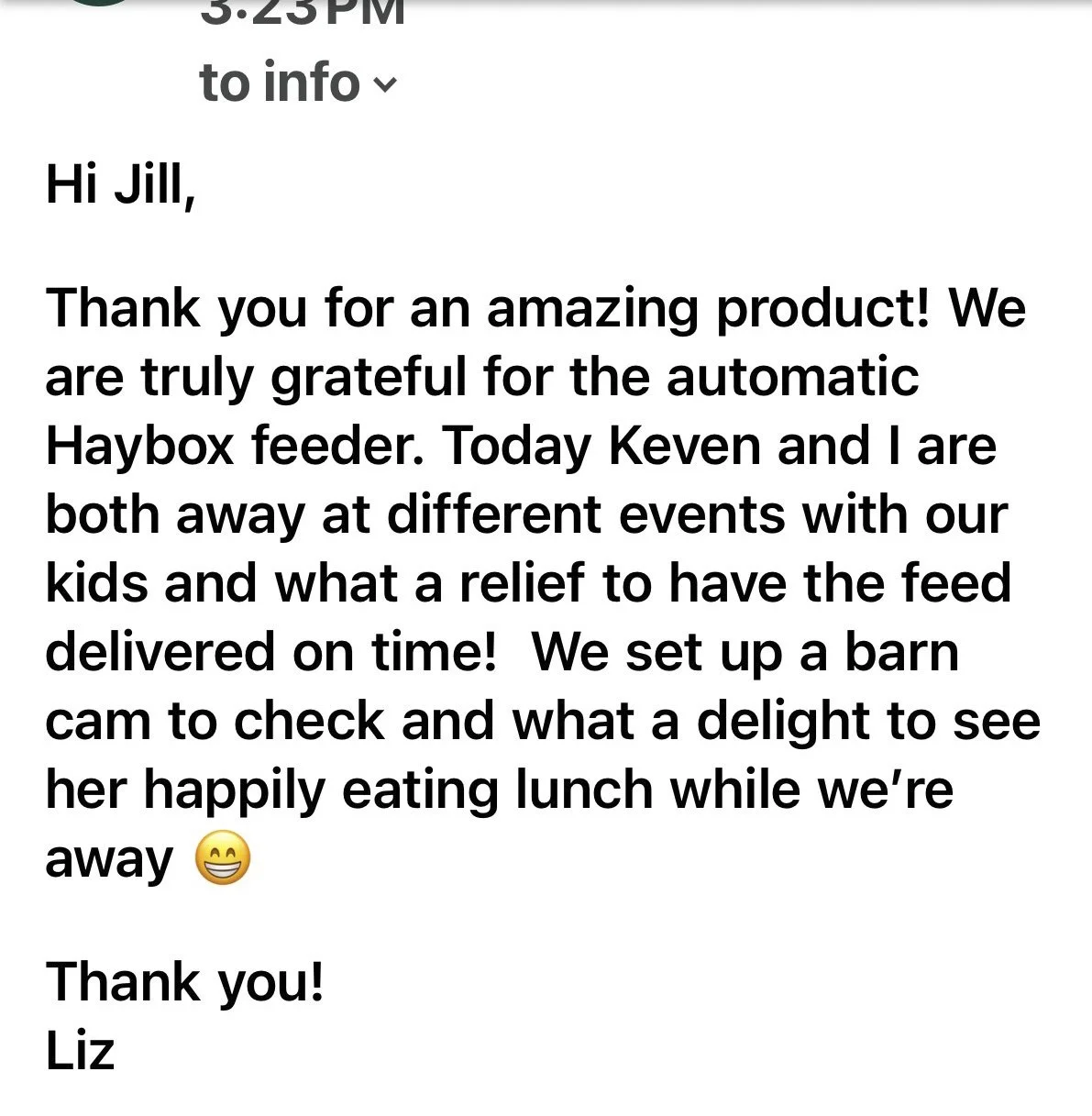
Why HayPal built a line of slow feeders:
Our product line began with a challenge: How can a boarding facility with 30 horses provide 3 feeds per day using slow-feed hay nets (economically and efficiently!) That’s 90 hay nets every day, which was costly in terms of labour, as well as an exercise in frustration for staff.
Fast forward to today and there are no complaints about using hay nets.
Today we design & manufacture auto feeders, wall-mounted feeders, fence-mounted feeders, and portable feeders in Kelowna, BC, Canada. We design, test, source, manufacture and ship directly from our headquarters. Please note that several of our products are made to order (requiring a little extra time to fulfill orders). Take a look through the options and please contact us if you have any questions.
Why Slow Feed?
-
Horses spend longer time feeding, less time worrying about their next meal. This equates to fewer behavioural issues.
Using a HayPal slow feeder helps eliminate horse owner stress about who might be feeding your horse. HayPal feeders take the mystery out of how to fee your horse. Feeding is consistent when using our hay net slow feeders
-
ave labour, save money. In the following example, a 20-horse barn feeding three times per day will save 2.5 hours every day when using HayPal slow feeders:
example 1: hand-stuffing hay nets: 3-5 minutes to refill each net and hang it in the stall (60 feeds) = 3 hours
example 2: using HayPal hay net feeders: 30 seconds to load HayPals (60 feeds) = 30 minutes (2.5 hours LESS than hand-stuffing)
-
HayPal systems literally improve staff morale and will likely reduce stress (yours and your farm help). It’s satisfying to create efficient systems that save both money and time. Your staff will appreciate the systems put in place to reduce their workload.
-
HayPal products are built of anodized aluminum and stainless steel materials. We use only the best materials available, and they do not rust. HayPal is a professional system built to last a lifetime. HayPal feeders are virtually indestructible. They are made to withstand the temperatures of Canada and rigors of the horse world.
-
Keep empty hay nets minimum 6” off the ground.
Head angle: Position nets so that the horse’s neck is in a downward angle from the withers
hay nets are generally not recommended for shod horses